
14 May 2025
NRW and National Trust working together to restore and protect the River Usk
NR05-DT-M
A river habitat restoration scheme has been completed on the River Usk to renaturalise the river and reconnect it to its natural floodplain.
The scheme focussed on a stretch of the River Tarell, an important tributary of the River Usk SAC (Special Area of Conservation), and aimed to restore the river’s natural processes by re-introducing wood into the river channel.
Led by the Natural Resources Wales (NRW) Four Rivers for LIFE project and the River Restoration Centre (RRC) – the scheme is part of a wider nature restoration project by the National Trust at their site.
Much of the upper part of the River Tarell catchment flows through land under National Trust ownership at their Ty Mawr Farm site in the Brecon Beacons.
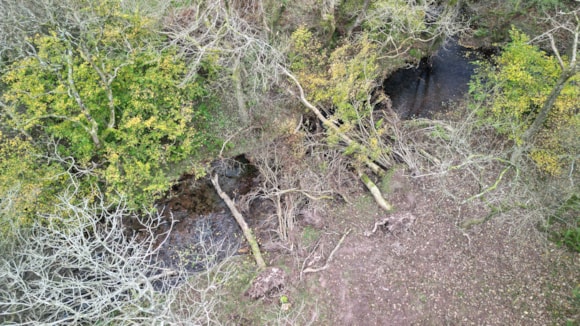
The work saw 40 trees winched into a 600 metre stretch of the river channel to create 14 large wood structures. These were strategically positioned to encourage floodplain reconnection and improve habitat, whilst maintaining access for migratory fish.
The trees were wedged into the riverbank to minimise the risk of them becoming displaced during high flows. Ash dieback had affected a significant number of trees in the area, so these were the first trees to be used in the scheme.
Large woody material plays a wide range of important functional roles in river ecosystems, and is now increasingly recognised as one of the fundamental components of a healthy river system, alongside sediment and water supply.
Peter Jones Four Rivers for LIFE River Restoration Officer said: “After only just six months we’ve started to see the benefits with new gravel areas forming and improving conditions for salmon spawning.”
“Also, during Storms Bert and Darragh, the river flooded out onto its natural floodplain, which is exactly what we had hoped it would do. This means that a considerable amount of water was being held back and not reaching downstream during a peak weather event.”
Alan Kearsley-Evans from the National Trust said: “This river habitat restoration project is an excellent example of how relatively minor restoration works can kick start natural processes and promote ecosystem recovery.”
“Naturally functioning ecosystems are far more robust and resilient to future environmental pressures. The work was accompanied by a tree planting scheme this March to encourage woodland recovery across the Ty Mawr Farm estate.”
A widespread issue with river habitats in the UK is that they have been altered to reduce their natural dynamism.
Naturally functioning rivers should regularly inundate their floodplains, increasing wetland habitat locally and reducing overall flood risk downstream. In their natural state, they would also have fallen trees across and within the river channel, helping the river find new flow paths and creating habitat diversity and enhancing rivers for wildlife.
In-river trees help the movement of gravel and create spawning habitat for a wide range of fish. Wood also provides shade and keeps rivers cool in the summer, reducing some of the harmful effects of climate change. It can also slow the flow of water, reducing the peak of flood events.
The Four Rivers for LIFE Project is funded by the EU LIFE Programme with support from Welsh Government and Dwr Cymru Welsh Water.
CNC a’r Ymddiriedolaeth Genedlaethol yn cydweithio i adfer a gwarchod Afon Wysg
Mae cynllun adfer cynefin afon wedi’i gwblhau ar Afon Wysg i ailnaturioli’r afon a’i hailgysylltu â’i gorlifdir naturiol.
Roedd y cynllun yn canolbwyntio ar ran o Afon Tarell, sy’n llednant bwysig i Ardal Cadwraeth Arbennig Afon Wysg, a’r nod oedd adfer prosesau naturiol yr afon drwy ailgyflwyno pren i sianel yr afon.
Dan arweiniad Prosiect Pedair Afon LIFE Cyfoeth Naturiol Cymru (CNC) ynghyd â’r Ganolfan Adfer Afonydd, mae’r cynllun yn rhan o brosiect ehangach i adfer byd natur gan yr Ymddiriedolaeth Genedlaethol ar eu safle.
Mae cyfran helaeth o ran uchaf dalgylch Afon Tarell yn llifo dros dir sydd dan berchnogaeth yr Ymddiriedolaeth Genedlaethol ar eu safle Fferm Tŷ Mawr ym Mannau Brycheiniog.
Roedd y gwaith yn cynnwys winsio 40 o goed i mewn i ran 600 metr o sianel yr afon i greu 14 o strwythurau pren mawr. Lleolwyd y rhain yn strategol er mwyn annog gorlifdiroedd i ailgysylltu ac i wella cynefinoedd, yn ogystal â sicrhau y gall pysgod mudol basio.
Gwthiwyd y coed i mewn i lan yr afon i leihau’r perygl y cânt eu dadleoli pan fo llif mawr yn yr afon. Roedd clefyd coed ynn wedi effeithio ar nifer sylweddol o goed yn yr ardal, felly’r rhain oedd y coed cyntaf i gael eu defnyddio yn y cynllun.
Mae deunydd pren mawr yn chwarae nifer o rolau swyddogaethol pwysig mewn ecosystemau afonol, a bellach mae cydnabyddiaeth gynyddol ei fod yn un o gydrannau sylfaenol system afon iach, ochr yn ochr â chyflenwad dŵr a gwaddod.
Meddai Peter Jones, Swyddog Adfer Afonydd Prosiect Pedair Afon LIFE: “Eisoes wedi dim ond chwe mis, rydyn ni’n dechrau gweld y manteision, gydag ardaloedd newydd o raean yn ffurfio a’r amodau’n gwella i eogiaid ar gyfer silio.”
“Hefyd, yn ystod Stormydd Bert a Darragh, llifodd yr afon dros ei gorlifdir naturiol, sef yn union yr hyn yr oeddem wedi gobeithio y byddai’n ei wneud. Roedd hyn yn golygu y cafodd cryn dipyn o ddŵr ei ddal yn ôl yn hytrach na llifo i lawr yr afon mewn digwyddiad tywydd mawr.”
Dywedodd Alan Kearsley-Evans o’r Ymddiriedolaeth Genedlaethol: “Mae’r prosiect hwn i adfer cynefin afon yn enghraifft ardderchog o sut gall gwaith adfer cymharol ysgafn sbarduno prosesau naturiol a hybu adferiad ecosystemau.”
“Mae ecosystemau sy’n gweithredu’n naturiol yn llawer mwy cadarn a gwydn yn wyneb pwysau amgylcheddol yn y dyfodol. Ym mis Mawrth eleni, cynhaliwyd cynllun plannu coed i gefnogi’r gwaith ac annog adferiad coetiroedd ar draws ystâd Fferm Tŷ Mawr.”
Un broblem gyffredin gyda chynefinoedd afonol yn y Deyrnas Unedig yw eu bod wedi’u haddasu i leihau eu deinameg naturiol.
Dylai afonydd sy’n gweithredu’n naturiol lifo dros eu gorlifdiroedd yn rheolaidd, gan gynyddu cynefinoedd gwlyptir yn lleol a lleihau perygl llifogydd cyffredinol i lawr yr afon. Yn eu cyflwr naturiol, byddent hefyd wedi cwympo coed ar draws ac o fewn sianel yr afon, gan helpu’r afon i ddod o hyd i lwybrau llif newydd a chan gynyddu’r amrywiaeth o ran cynefinoedd a gwella’r afon ar gyfer bywyd gwyllt.
Mae coed mewn afon yn helpu i symud graean ac yn creu cynefin silio i amrywiaeth eang o bysgod. Mae pren hefyd yn rhoi cysgod ac yn cadw afonydd yn oer yn yr haf, gan leihau rhai o effeithiau niweidiol newid hinsawdd. Gall hefyd arafu llif y dŵr, sy’n golygu bod llifogydd, yn eu hanterth, yn llai difrifol nag y byddent fel arall.
Ariennir Prosiect Pedair Afon LIFE gan Raglen LIFE yr UE gyda chefnogaeth Llywodraeth Cymru a Dŵr Cymru.
Contact Information
Dana Thomas
dana.thomas@cyfoethnaturiolcymru.gov.uk
Notes to editors
Photo credit:
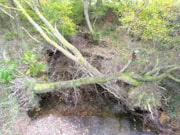
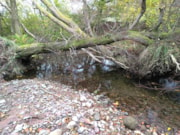
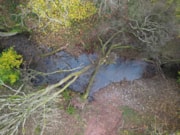
Images – Wood introduced into the River Tarell at the National Trust Ty Mawr Farm site.
Notes to editors
- Communications office: 029 2240 5304 / communications@naturalresources.wales (24hrs)
We’re leading the way in the challenge of ensuring Wales can survive and thrive against the backdrop of the nature, climate and pollution emergencies - advising and regulating industry, and working with partners to improve the quality of our waters, the air we breathe and the land and special places that we manage sustainably. From flooding to pollution incidents, we’re always braced to keep people and wildlife safe from the impacts of environmental incidents 24/7. Every decision we make is rooted in evidence, the expertise of our colleagues and the passion of the people living in the communities that we work alongside every day.For more information www.naturalresources.wales
Manylion y llun:
Delweddau – Pren a gyflwynwyd i Afon Tarell ar safle Fferm Tŷ Mawr yr Ymddiriedolaeth Genedlaethol.
Nodiadau i olygyddion
Swyddfa cyfathrebu: 029 2240 5304 / cyfathrebu@cyfoethnaturiol.cymru (24awr)
Rydym ar flaen y gad yn yr her o sicrhau y gall Cymru oroesi a ffynnu yn wyneb yr argyfyngau natur, hinsawdd a llygredd – gan gynghori a rheoleiddio diwydiant, ac yn gweithio gyda’n partneriaid i wella ansawdd ein dyfroedd, yr aer rydym yn ei anadlu, a’r tir a’r lleoedd arbennig yr ydym yn eu rheoli’n gynaliadwy. O lifogydd i achosion o lygredd, rydym bob amser yn barod i gadw pobl a bywyd gwyllt yn ddiogel rhag effeithiau digwyddiadau amgylcheddol, 24 awr yr wythnos. Rydym yn gwneud pob penderfyniad ar sail tystiolaeth, arbenigedd ein cydweithwyr, a brwdfrydedd y bobl sy’n byw yn y cymunedau yr ydym yn gweithio ochr yn ochr â nhw bob dydd. I gael rhagor o wybodaeth www.cyfoethnaturiol.cymru

Powered by Onclusive PR Manager © 2026