
11 Oct 2024
Plant eating beetle helps to improve river in West Wales
NR10-DT-M
A project to restore the Cleddau River SAC in Pembrokeshire has been using a herbivorous beetle to control an invasive species.
The Azolla weevil (Stenopelmus rufinasus) was released in June 2024 by the Four Rivers for LIFE Project onto Natural Resources Wales’s (NRW) Llangloffan Fen National Nature Reserve (NNR) near Fishguard.
The weevil will help to control and eradiate the Azolla plant (Azolla filiculoides) that is dominating some parts of the reserve and nearby Cleddau River.
Azolla is classed as an invasive non-native species (INNS) and is one of the most invasive plants in the UK today, however it is highly susceptible to the Azolla weevil, which actively feed and develop upon this plant.
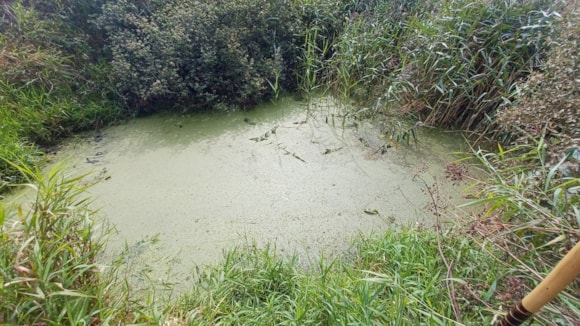
Azolla is a floating aquatic fern that grows rapidly and spreads across the surface of standing water and slow running water to form mats which can be 30cm thick.
During hot weather, mats can double in size in just four or five days. These block out light, killing other aquatic flora and reduce oxygen availability, which can lead to the death of fish and invertebrates.
Duncan Dumbreck from the Four Rivers for LIFE Project said: “Last summer we found several areas on the reserve where Azolla was taking over from native plants.
He adds: “With CABI’s advice and support we released Azolla weevils at the reserve and the impact has been significant and we are delighted with the changes so far.”
The project contacted the Centre for Agriculture and Biosciences International (CABI) as the organisation has successfully controlled Azolla in a number of areas using the Azolla weevil. More on this work can be found on this link.
After only eight weeks the impact has been substantial with most of the Azolla eaten and replaced by native duckweed.
The project will continue to monitor the progress of the weevils over the winter and early in the growing season next spring to assess whether they have managed to bring the Azolla under complete control.
The Azolla weevil is totally reliant on the Azolla plant and does not spread to other plants, therefore there is no risk to important fen plants and farming crops in the area. The beetles are hardy, but may suffer mortality over very harsh winters.
The Four Rivers for LIFE Project is funded by the EU LIFE Programme with support from Welsh Government and Welsh Water.
To find out more about the project please visit the website Natural Resources Wales / Four Rivers for LIFE
Chwilen sy’n bwyta planhigion yn helpu i wella afon yng Ngorllewin Cymru
Mae prosiect i adfer ACA Afon Cleddau yn Sir Benfro wedi bod yn defnyddio chwilen lysysol i reoli rhywogaeth oresgynnol.
Rhyddhawyd gwiddon Azolla (Stenopelmus rufinasus) ym mis Mehefin 2024 gan Brosiect Pedair Afon LIFE ar Warchodfa Natur Genedlaethol (GNG) Cors Galchog Llangloffan Cyfoeth Naturiol Cymru (CNC) ger Abergwaun.
Bydd y gwiddon yn helpu i reoli a difa rhedyn y dŵr (Azolla filiculoides) sy'n dominyddu rhannau o'r warchodfa ac Afon Cleddau gerllaw.
Mae rhedynen y dŵr yn cael ei dosbarthu fel rhywogaeth estron oresgynnol (INNS) ac mae'n un o'r planhigion mwyaf goresgynnol yn y DU heddiw, fodd bynnag mae gwiddon Azolla yn cael effaith fawr ar y planhigyn, ac yn bwydo ac yn datblygu arno.
Rhedynen ddyfrol arnofiol yw rhedynen y dŵr sy'n tyfu'n gyflym ac yn ymledu dros wyneb dŵr llonydd a dŵr sy’n llifo’n araf i ffurfio matiau a all fod yn 30cm o drwch.
Yn ystod tywydd poeth, gall matiau ddyblu o ran maint a hynny o fewn pedwar neu bum diwrnod yn unig. Mae'r rhain yn cau’r goleuni allan, gan ladd fflora dyfrol eraill a lleihau’r ocsigen sydd ar gael, a all arwain at farwolaeth pysgod ac infertebratau.
Meddai Duncan Dumbreck o Brosiect Pedair Afon LIFE: “Yr haf diwethaf daethom o hyd i sawl ardal yn y warchodfa lle roedd rhedynen y dŵr yn cymryd drosodd oddi wrth blanhigion brodorol.
Ychwanegodd: “Gyda chyngor a chefnogaeth CABI fe wnaethom ryddhau gwiddon Azolla yn y warchodfa ac mae’r effaith wedi bod yn sylweddol ac rydym wrth ein bodd gyda’r newidiadau hyd yma.”
Cysylltodd y prosiect â’r Ganolfan Amaethyddiaeth a Biowyddorau Rhyngwladol (CABI) gan fod y sefydliad wedi rheoli rhedyn y dŵr yn llwyddiannus mewn nifer o ardaloedd gan ddefnyddio gwiddon Azolla. Ceir rhagor o wybodaeth am y gwaith hwn ar y ddolen hon.
Ar ôl wyth wythnos yn unig mae'r effaith wedi bod yn sylweddol gyda'r rhan fwyaf o redyn y dŵr wedi cael ei fwyta a’r llinad y dŵr brodorol wedi cymryd ei le.
Bydd y prosiect yn parhau i fonitro cynnydd y gwiddon dros y gaeaf ac yn gynnar yn y tymor tyfu y gwanwyn nesaf er mwyn asesu a ydynt wedi llwyddo i reoli rhedyn y dŵr yn lwyr.
Mae gwiddon Azolla yn gwbl ddibynnol ar redynen y dŵr ac nid ydynt yn lledaenu i blanhigion eraill, felly nid oes unrhyw berygl i blanhigion pwysig y gors galchog a chnydau ffermio pwysig yn yr ardal. Mae'r chwilod yn wydn, ond gall gaeafau caled iawn eu lladd.
Ariennir y Prosiect Pedair Afon LIFE gan Raglen LIFE yr UE gyda chefnogaeth Llywodraeth Cymru a Dŵr Cymru.
Er mwyn darganfod mwy am y prosiect ewch i’r wefan Cyfoeth Naturiol Cymru / Prosiect Pedair Afon LIFE
Contact Information
Angharad Selway
Natural Resources Wales
angharad.selway@cyfoethnaturiolcymru.gov.uk
Notes to editors
Photo credit:
Image 1 – Azolla at Llangloffan Fen NNR before weevils released (credit NRW)
Image 2 – Azolla at Llangloffan Fen NNR 8 weeks after weevils released (credit NRW)
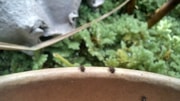
Image 3 – Azolla weevil close up (credit NRW)
Notes to editors
- Communications office: 029 2240 5304 / communications@naturalresources.wales (24hrs
- We’re leading the way in the challenge of ensuring Wales can survive and thrive against the backdrop of the nature, climate and pollution emergencies - advising and regulating industry, and working with partners to improve the quality of our waters, the air we breathe and the land and special places that we manage sustainably. From flooding to pollution incidents, we’re always braced to keep people and wildlife safe from the impacts of environmental incidents 24/7. Every decision we make is rooted in evidence, the expertise of our colleagues and the passion of the people living in the communities that we work alongside every day.
For more information www.naturalresources.wales
Llun gan:
Llun 1 – Rhedyn y dŵr yng Ngwarchodfa Natur Genedlaethol Cors Galchog Llangloffan cyn i widdon gael eu rhyddhau (llun CNC)
Llun 2 – Rhedyn y dŵr yng Ngwarchodfa Natur Genedlaethol Cors Galchog Llangloffan 8 wythnos ar ôl rhyddhau gwiddon (llun CNC)
Llun 3 – Llun agos o widdonyn Azolla (llun CNC)
Nodiadau i olygyddion
- Swyddfa cyfathrebu: 029 2240 5304 / cyfathrebu@cyfoethnaturiol.cymru (24awr)
- Rydym ar flaen y gad yn yr her o sicrhau y gall Cymru oroesi a ffynnu yn wyneb yr argyfyngau natur, hinsawdd a llygredd - gan gynghori a rheoleiddio diwydiant, ac yn gweithio gyda’n partneriaid i wella ansawdd ein dyfroedd, yr aer rydym yn ei anadlu, a’r tir a’r lleoedd arbennig yr ydym yn eu rheoli’n gynaliadwy. O lifogydd i achosion o lygredd, rydym bob amser yn barod i gadw pobl a bywyd gwyllt yn ddiogel rhag effeithiau digwyddiadau amgylcheddol, 24/7. Rydym yn gwneud pob penderfyniad ar sail tystiolaeth, arbenigedd ein cydweithwyr, a brwdfrydedd y bobl sy’n byw yn y cymunedau rydym yn gweithio ochr yn ochr â nhw bob dydd.
- Am ragor o wybodaeth: www.cyfoethnaturiol.cymru

Powered by Onclusive PR Manager © 2026