
16 Sep 2026
Welsh salmon remain in crisis as new assessment shows all monitored rivers at risk
NR09NOLB
15/09/26
Cymraeg Isod
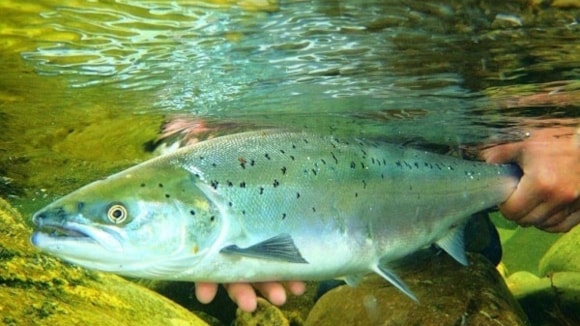
Atlantic salmon populations in Wales remain at levels of serious concern, with every principal salmon river assessed in Wales classified as "at risk" in the latest annual stock assessment.
The 2025 assessment shows salmon continue to face significant challenges across England and Wales. Of the 64 principal salmon rivers assessed, only two were estimated to be above their Conservation Limit, while the vast majority were classified as being at risk.
In Wales, all principal salmon rivers assessed were classified as "at risk", meaning salmon populations remain below levels needed to give confidence in their long-term sustainability without continued intervention and recovery measures.
The assessment also records the lowest rod catches since records began in 1956, highlighting the continued decline of one of Wales' most iconic species and the scale of the challenge facing efforts to restore populations.
Salmon are under pressure from a combination of factors, including climate change, habitat degradation, barriers to migration and water quality issues. These pressures affect populations throughout their lifecycle and are recognised as some of the most significant threats to salmon recovery both nationally and internationally.
Work to tackle these challenges is continuing across Wales through a range of restoration and fisheries programmes. Through the Salmon 4 Tomorrow programme, three major fish passage schemes have improved access to more than 50km of river habitat for migratory fish. Other habitat restoration projects have delivered more than 33km of fish access improvements and enhanced over 42km of riverside habitat.
Further recovery work is being delivered through projects including LIFE Dee River and Four Rivers for LIFE. Together, these initiatives have improved river habitats, removed barriers to migration, planted thousands of trees to help improve river resilience and opened up valuable habitat for fish across some of Wales' most important river catchments.
The findings come shortly after the publication of the Climate Resilient Fisheries Strategy 2026-2031, which sets out a long-term vision for healthy, climate-resilient freshwater, estuarine and marine ecosystems that support thriving fish populations and sustainably managed fisheries in Wales.
Dr Ben Wilson, Principal Fisheries Advisor, said:
"The picture for salmon in Wales remains deeply concerning. All of our assessed salmon rivers are now classified as 'at risk', and too few salmon are returning from the sea to sustain healthy populations into the future."
"We understand the seriousness of that situation, and we are treating it with the urgency it deserves. While there is no quick fix for a species facing pressures at sea and in our rivers, we are working with partners across Wales to restore habitats, improve fish passage, strengthen river resilience and give salmon the best possible chance of recovery."
"Our new Climate Resilient Fisheries Strategy provides a clear framework for this work. It will help us focus our efforts where they can make the greatest difference for fish populations, river ecosystems and the communities that care about them."
The annual salmon stock assessment is produced jointly by Cefas, the Environment Agency and Natural Resources Wales and is available on GOV.UK. The report provides important evidence to inform fisheries management and conservation decisions across England and Wales.
The full results of the stock assessment acn be seen here: https://www.gov.uk/government/publications/assessment-of-salmon-stocks-in-england-and-wales-in-2025
CYMRAEG
Eogiaid Cymru yn parhau mewn argyfwng wrth i asesiad newydd ddangos fod pob afon sy'n cael ei monitro mewn perygl
Mae poblogaethau eogiaid yng Nghymru yn dal i fod ar lefelau sy'n peri pryder difrifol, gyda phob prif afon lle ceir eogiaid ac a aseswyd yng Nghymru wedi'i dosbarthu fel "mewn perygl" yn yr asesiad stoc blynyddol diweddaraf.
Mae asesiad 2025 yn dangos bod eogiaid yn parhau i wynebu heriau sylweddol ledled Cymru a Lloegr. O'r 64 o brif afonydd lle ceir eogiaid a gafodd eu hasesu, amcangyfrifwyd mai dim ond dwy oedd uwchlaw eu Terfyn Cadwraethol, tra bod y mwyafrif helaeth wedi'u dosbarthu fel rhai mewn perygl.
Yng Nghymru, dosbarthwyd pob prif afon lle ceir eogiaid a aseswyd fel rhai "mewn perygl", sy'n golygu bod poblogaethau eogiaid yn parhau i fod islaw'r lefelau angenrheidiol i roi hyder yn eu cynaliadwyedd hirdymor heb ymyrraeth barhaus a mesurau adfer.
Mae'r asesiad hefyd yn cofnodi'r dalfeydd â gwialen isaf ers dechrau cofnodi ym 1956, ac yn tynnu sylw at ddirywiad parhaus un o rywogaethau mwyaf eiconig Cymru a maint yr her sy'n wynebu ymdrechion i adfer poblogaethau.
Mae eogiaid dan bwysau oherwydd cyfuniad o ffactorau, gan gynnwys newid hinsawdd, dirywiad cynefinoedd, rhwystrau i fudo a phroblemau ansawdd dŵr. Mae'r pwysau hyn yn effeithio ar boblogaethau drwy gydol eu cylch bywyd a chânt eu cydnabod fel rhai o'r bygythiadau mwyaf arwyddocaol i adferiad eogiaid yn genedlaethol ac yn rhyngwladol.
Mae gwaith i fynd i'r afael â'r heriau hyn yn parhau ledled Cymru trwy ystod o raglenni adfer a physgodfeydd. Drwy raglen Eogiaid ar gyfer yfory, mae tri chynllun llwybr pysgod pwysig wedi gwella mynediad at fwy na 50km o gynefin afon ar gyfer pysgod mudol. Mae prosiectau adfer cynefinoedd eraill wedi cyflawni mwy na 33km o welliannau i fynediad i bysgod ac wedi gwella mwy na 42km o gynefinoedd glannau afon.
Mae gwaith adfer pellach yn cael ei gyflawni trwy brosiectau gan gynnwys Prosiect LIFE Afon Dyfrdwy a Phedair Afon LIFE. Gyda'i gilydd, mae'r mentrau hyn wedi gwella cynefinoedd afonydd, wedi cael gwared ar rwystrau i fudo, wedi plannu miloedd o goed i helpu i wella gwydnwch afonydd ac wedi agor cynefinoedd gwerthfawr i bysgod ar draws rhai o ddalgylchoedd afonydd pwysicaf Cymru.
Daw'r canfyddiadau yn fuan ar ôl cyhoeddi Strategaeth Pysgodfeydd sy’n gwrthsefyll yr Hinsawdd 2026-2031, sy'n nodi gweledigaeth hirdymor ar gyfer ecosystemau dŵr croyw, aberol a morol iach ac sy’n gwrthsefyll yr hinsawdd sy'n cynnal poblogaethau pysgod sy’n ffynnu a physgodfeydd a reolir yn gynaliadwy yng Nghymru.
Meddai Dr Ben Wilson, Prif Gynghorydd Pysgodfeydd CNC:
"Mae'r darlun ar gyfer eogiaid yng Nghymru yn parhau i achosi cryn bryder. Mae pob un o'n hafonydd lle ceir eogiaid ac a gafodd eu hasesu bellach wedi'u dosbarthu fel rhai 'mewn perygl', ac mae niferoedd rhy fychan o eogiaid yn dychwelyd o'r môr i gynnal poblogaethau iach ar gyfer y dyfodol.
"Rydym yn sylweddoli pa mor ddifrifol yw’r sefyllfa honno, ac yn ei thrin gyda'r lefel haeddiannol o frys. Er nad oes ateb cyflym i rywogaeth sy'n wynebu pwysau yn y môr ac yn ein hafonydd, rydym yn gweithio gyda phartneriaid ledled Cymru i adfer cynefinoedd, gwella llwybrau pysgod, cryfhau gallu afonydd i wrthsefyll a rhoi'r cyfle gorau posibl ar gyfer adferiad eogiaid.
"Mae ein Strategaeth Pysgodfeydd sy’n gwrthsefyll yr Hinsawdd newydd yn darparu fframwaith clir ar gyfer y gwaith hwn. Bydd yn ein helpu i ganolbwyntio ein hymdrechion lle gallant wneud y gwahaniaeth mwyaf i boblogaethau pysgod, ecosystemau afonydd a'r cymunedau sy'n gofalu amdanynt."
Mae’r asesiad stoc eogiaid blynyddol yn cael ei gynhyrchu ar y cyd gan Cefas, Asiantaeth yr Amgylchedd a Cyfoeth Naturiol Cymru ac mae ar gael ar GOV.UK. Mae'r adroddiad yn darparu tystiolaeth bwysig i lywio penderfyniadau rheoli pysgodfeydd a chadwraeth ledled Cymru a Lloegr.
Mae canlyniadau llawn yr asesiad stoc i'w gweld yma: https://www.gov.uk/government/publications/assessment-of-salmon-stocks-in-england-and-wales-in-2025
Contact Information
Communications Team
Natural Resources Wales
cyfathrebu@cyfoethnaturiolcymru.gov.uk
Notes to editors
|
Notes to editors Nodiadau i olygyddion:
Notes to editors
|
Downloads

Powered by Onclusive PR Manager © 2026